Oral health is not something that stays constant – it evolves as your body changes, your habits shift, and your lifestyle develops over time. The care your smile needs at age 8 is very different from what it needs at 28 or 80. Ignoring these changes can lead to problems that build gradually and become harder to manage later.
Maintaining oral health at every stage of life is about staying ahead of those changes. It allows you to protect your teeth, support your gums, and adapt your care routine so your smile remains strong, comfortable, and functional over the years.
Why Oral Health Should Be Treated as a Lifelong Priority
Oral health is often approached reactively – people tend to focus on it only when discomfort appears. However, dental issues rarely develop overnight. Most problems begin subtly, progressing over time before becoming noticeable.
Taking a long-term view of oral health means understanding that prevention is not a one-time effort. It’s a continuous process that helps:
- Reduce the likelihood of major dental treatments
- Maintain natural teeth for longer
- Prevent gradual damage from going unnoticed
- Support consistent comfort in daily activities like eating and speaking
A proactive mindset helps shift dental care from problem-solving to long-term protection.
Childhood: Establishing Patterns That Last
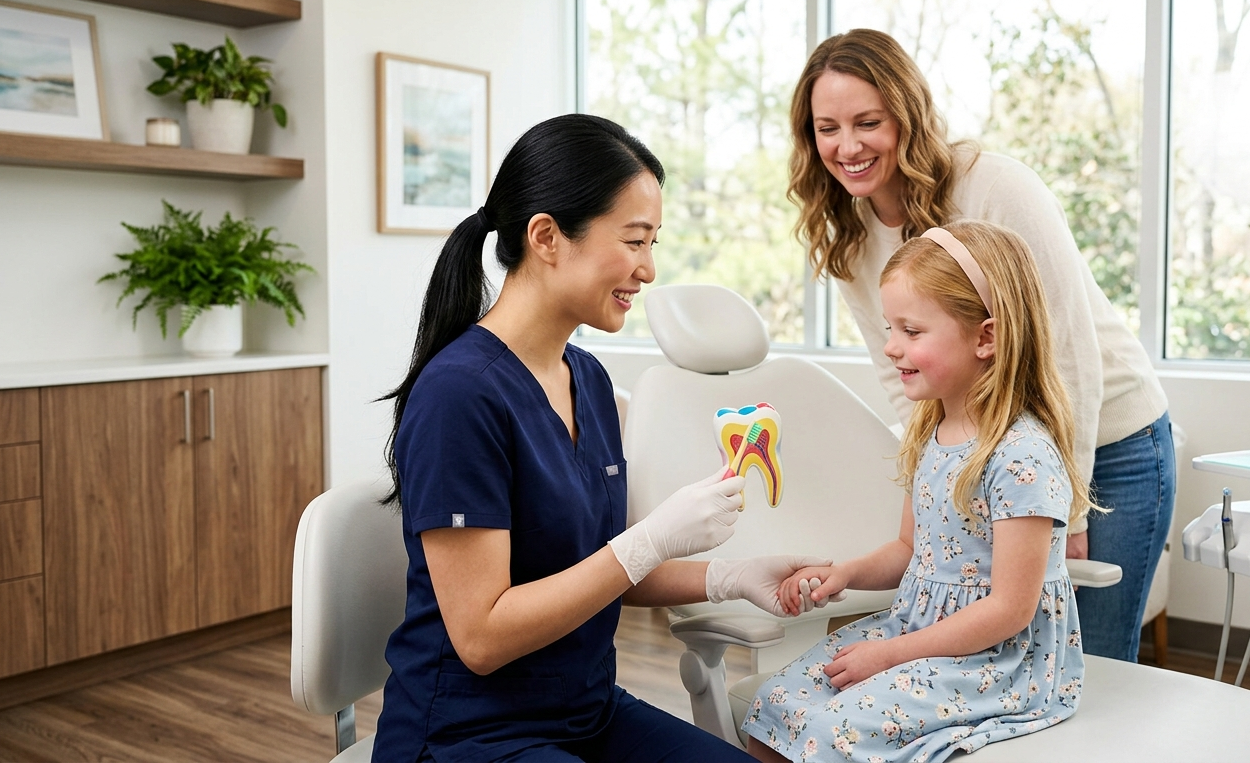
The early years are less about fixing problems and more about forming habits. At this stage, children are learning how to care for their teeth while their oral structures are still developing.
What makes this phase important is not just the health of baby teeth, but the behaviors being built. Children who become familiar with consistent brushing, flossing, and regular dental visits are more likely to carry those habits forward.
Key areas of focus during childhood include:
- Learning proper brushing techniques
- Developing consistency in daily routines
- Monitoring how teeth are erupting
- Identifying early alignment concerns
These foundational habits often determine how oral health is maintained later in life.
Adolescence: A Stage of Transition and Risk
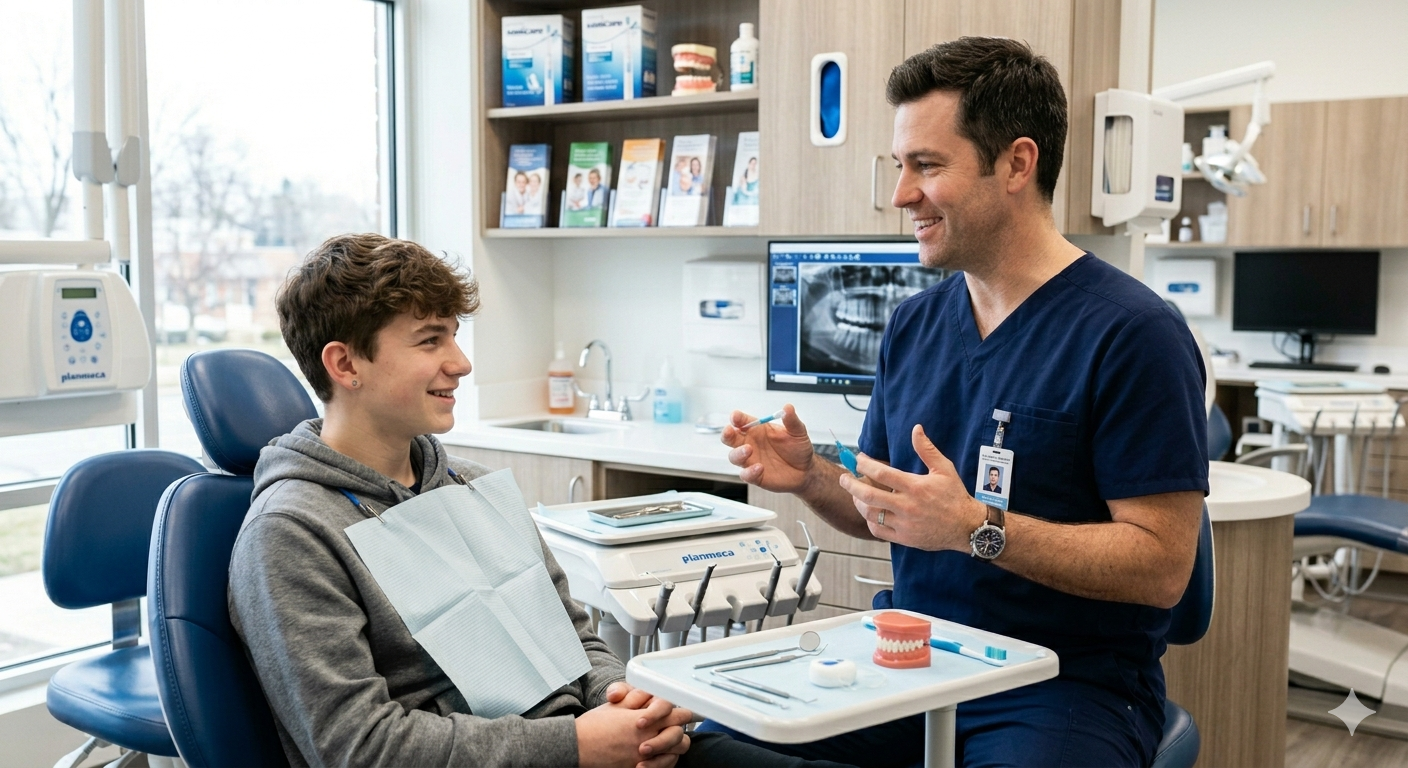
The teenage years introduce new challenges that can impact oral health in less obvious ways. Diet, independence, and lifestyle changes all begin to influence daily routines.
This is also a stage where many individuals become less supervised in their habits, which can lead to inconsistencies in oral care. At the same time, orthodontic treatments, sports activities, and dietary choices can all affect dental health.
Some common concerns during this stage include:
- Skipping or rushing oral hygiene routines
- Increased intake of sugary or acidic foods
- Difficulty cleaning around braces or appliances
- Risk of dental injury during physical activities
Maintaining awareness during this stage helps prevent issues that may carry into adulthood.
Adulthood: Where Small Issues Tend to Accumulate
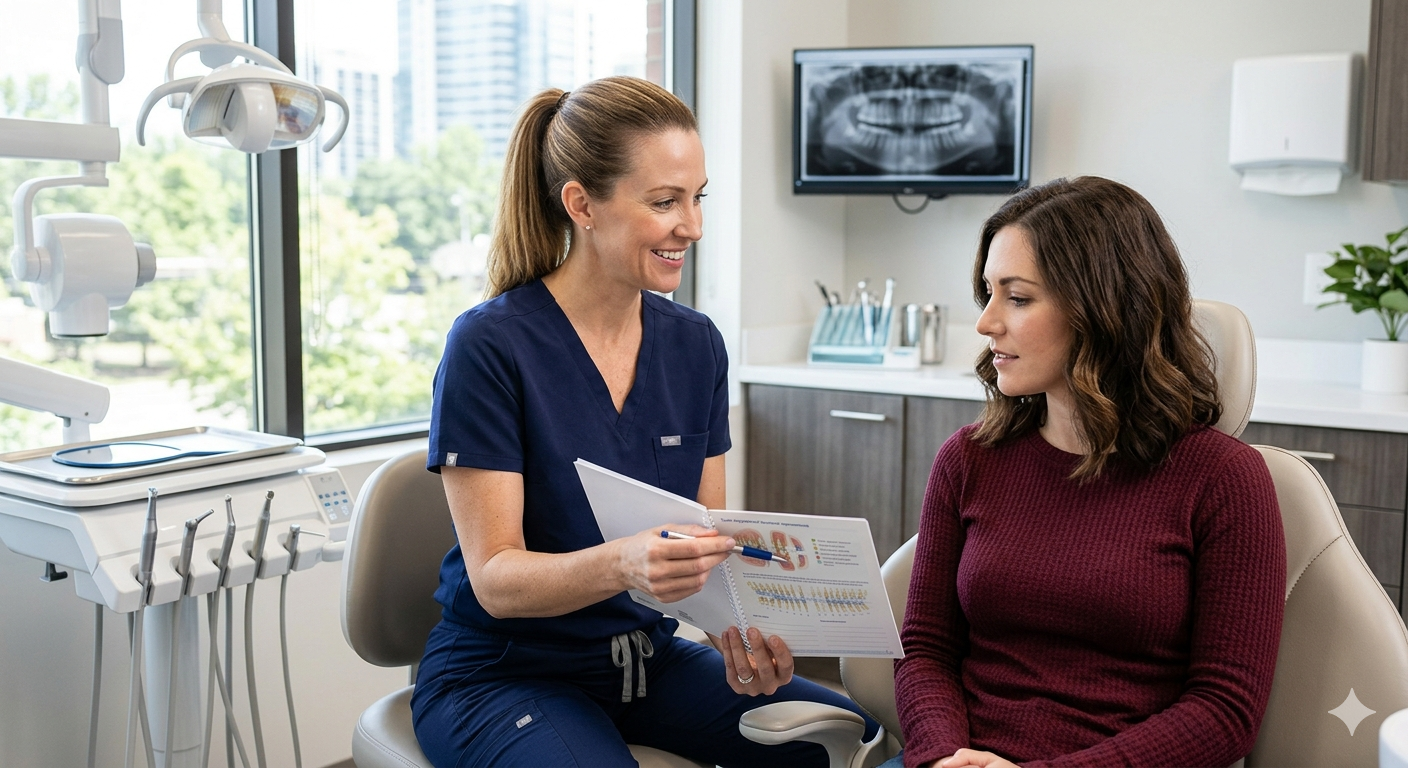
Unlike earlier stages, adulthood often brings a gradual buildup of wear and tear. Teeth are exposed to years of use, and habits such as grinding, stress, and diet begin to show their effects.
What makes this stage unique is that changes are often subtle. A person may not notice minor sensitivity, early gum changes, or slight enamel wear until it becomes more significant.
Over time, adults may experience:
- Increased sensitivity to temperature
- Gradual gum changes or recession
- Surface wear from grinding or clenching
- Discoloration from long-term habits
Addressing these concerns early can prevent more complex interventions later.
Later Years: Maintaining Function and Comfort
As the body ages, oral health priorities shift toward preserving comfort and function. Changes in gum condition, saliva flow, and overall oral structure can affect how teeth feel and perform.
Rather than focusing on development or prevention alone, this stage emphasizes maintaining stability. Keeping teeth functional and comfortable becomes essential for daily quality of life.
Important considerations during this stage include:
- Supporting gum health and stability
- Managing dryness or sensitivity
- Maintaining existing dental work
- Ensuring comfortable chewing and speaking
Consistent care helps preserve independence and comfort as oral health needs evolve.
The Bigger Picture: Oral Health and Daily Life
Oral health doesn’t exist in isolation – it affects how you eat, speak, and interact with others. Discomfort or dental concerns can influence confidence, dietary choices, and overall well-being.
A healthy smile supports:
- Comfortable eating and proper nutrition
- Clear and confident communication
- Reduced physical discomfort
- Greater confidence in social interactions
When oral health is maintained consistently, it contributes to a more comfortable and balanced daily life.
Daily Habits That Make a Long-Term Difference
While dental visits play an important role, most oral health outcomes are shaped by daily habits. Small, consistent actions have a cumulative effect over time.
Maintaining oral health across all life stages involves:
- Brushing thoroughly and consistently
- Cleaning between teeth regularly
- Being mindful of dietary choices
- Paying attention to early signs of discomfort
- Maintaining consistency in oral care routines
These habits may seem simple, but their long-term impact is significant.
Preventive Care as a Long-Term Strategy
Preventive care is not just about avoiding problems – it’s about monitoring change. Regular dental visits allow for tracking how your oral health evolves over time and adjusting care accordingly.
Preventive care helps:
- Identify early signs of changes before they worsen
- Maintain cleanliness in areas difficult to reach at home
- Monitor bite and structural changes
- Provide guidance tailored to different life stages
This ongoing support makes it easier to adapt to new dental needs as they arise.
Maple Dental Belleville, NJ – Supporting Every Stage of Oral Health
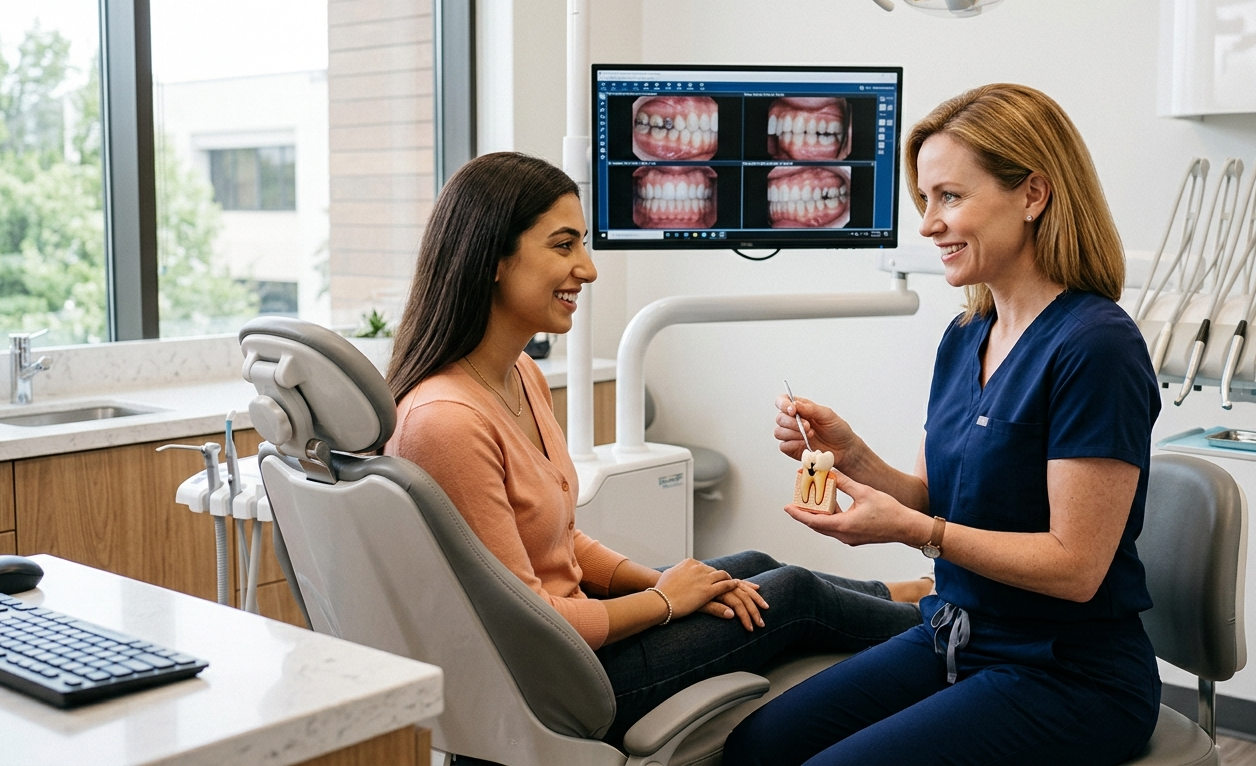
Patients looking for consistent, long-term dental care can visit Maple Dental Belleville, NJ, located at:
383 Washington Ave, 1st Floor Rear, Belleville, NJ 07109
The practice serves individuals and families from:
Whether it’s early care for children, maintenance for adults, or ongoing support in later years, those searching for a top-rated dentist near you can benefit from care that adapts to every stage of life.
A Lifelong Perspective on Oral Health Matters More Than You Think
Oral health is not defined by a single stage – it’s shaped by how consistently it’s maintained over time. Each phase of life presents different needs, but the goal remains the same: protecting your smile so it continues to function comfortably and effectively.
By paying attention to changes, maintaining daily habits, and seeking dental care at the right time, you create a foundation for long-term oral health. A thoughtful, stage-aware approach allows your smile to stay strong – not just for now, but for years to come.
FAQs
1. Why does oral health need to be maintained throughout life?
Because dental needs change over time, and consistent care helps prevent problems at every stage.
2. Are early dental habits really that important?
Yes, habits developed in childhood often determine long-term oral health outcomes.
3. Why do dental issues seem to increase with age?
Because wear, lifestyle factors, and gradual changes accumulate over time.
4. Can long-term oral health problems be prevented?
Many can be minimized or avoided with consistent care and early attention.
5. How do I adjust my oral care as I get older?
Regular dental visits help guide changes in your routine based on your evolving needs.