Restorative dentistry is often recommended when teeth are damaged, weakened, or missing – but choosing the right treatment is not always straightforward. With multiple options available, each designed for different situations, it’s important to understand what each approach involves before making a decision.
Taking time to learn about restorative dentistry helps you feel more confident about your treatment plan. It also ensures that the option you choose supports not only your immediate concern but also your long-term oral health and comfort.
What Restorative Dentistry Actually Focuses On
Restorative dentistry is centered on repairing and supporting the structure of your teeth so they can function properly again. While appearance may improve as a result, the primary goal is to help you chew comfortably, maintain alignment, and protect your overall oral health.
When a tooth is affected by decay, damage, or loss, it can disrupt how your bite works. Over time, this can place extra stress on surrounding teeth and lead to additional concerns. Restorative care helps stabilize your smile and prevent those complications.
Common Situations That May Require Restorative Treatment
Restorative dentistry is not limited to one type of problem. It applies to a range of conditions that affect the strength or function of your teeth.
You may need restorative care if you are experiencing:
- Tooth decay that has weakened the structure of a tooth
- Cracked, chipped, or worn-down teeth
- Missing teeth affecting chewing or spacing
- Old dental work that no longer fits properly
- Sensitivity or discomfort when biting
Recognizing these signs early allows for more conservative and effective treatment.
Understanding the Different Treatment Options Available
There is no single solution that fits every situation. Restorative dentistry includes a variety of treatments, each designed to address specific levels of damage or tooth loss.
Some commonly recommended options include:
- Dental fillings to repair small areas of decay
- Crowns to cover and strengthen damaged teeth
- Bridges to replace one or more missing teeth
- Dental implants to provide long-term tooth replacement
- Inlays and onlays for moderate structural repair
Each option differs in terms of durability, complexity, and long-term maintenance, which is why understanding your choices is important before beginning treatment.
Why the Right Choice Depends on More Than Just the Tooth
Choosing a restorative treatment is not just about fixing a single tooth – it involves evaluating your entire oral condition. Factors such as gum health, bite alignment, bone support, and surrounding teeth all play a role in determining the best approach.
For example, a treatment that works well for one patient may not be ideal for another if their oral structure or habits differ. A comprehensive evaluation helps ensure that the chosen treatment supports long-term stability rather than just short-term repair.
Key Factors to Consider Before Starting Treatment
Before deciding on a restorative procedure, it’s helpful to think about how the treatment will fit into your daily life and long-term oral care.
Important considerations include:
- Durability: How long the restoration is expected to last
- Maintenance: The level of care required to keep it in good condition
- Comfort: How natural the restoration feels when chewing or speaking
- Cost over time: Not just the initial procedure, but future maintenance
- Impact on surrounding teeth: Whether adjacent teeth are affected
Understanding these factors allows you to make a more informed and confident decision.
The Importance of Bite and Function in Restorative Care
One of the most important aspects of restorative dentistry is how your teeth come together when you bite. Even a well-placed restoration can cause discomfort if it disrupts the natural balance of your bite.
A properly planned restoration helps:
- Distribute pressure evenly across teeth
- Prevent unnecessary wear on specific areas
- Reduce strain on the jaw
- Maintain long-term comfort
This is why careful planning is essential before beginning any restorative treatment.
How Early Treatment Can Simplify Your Options
Delaying treatment often reduces the number of options available. A small area of decay may be treated with a simple filling, but if it progresses, it could require a crown or more extensive care.
Addressing issues early helps:
- Preserve more of your natural tooth structure
- Reduce the need for complex procedures
- Lower long-term treatment costs
- Improve overall treatment outcomes
Taking action at the right time can make a significant difference in both comfort and long-term results.
What to Expect During the Planning Process
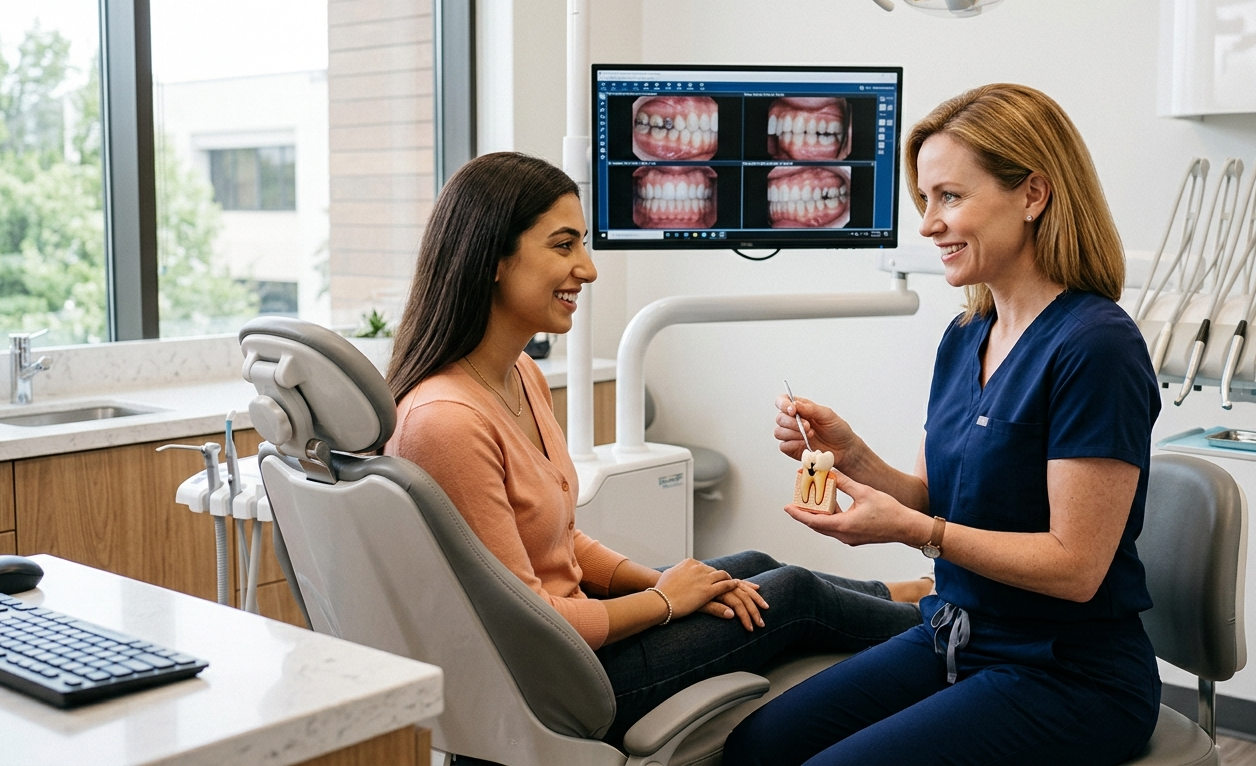
Before starting treatment, your dentist will typically conduct a detailed evaluation of your teeth, gums, and bite. This process helps identify the most suitable options based on your specific needs.
During this stage, you can expect:
- A discussion of available treatment options
- Explanation of benefits and limitations
- Recommendations based on your oral health condition
- Guidance on what to expect during and after treatment
This step ensures that you are fully informed and comfortable with your decision.
Maple Dental Belleville, NJ – Personalized Restorative Care
Patients seeking restorative dental solutions can visit Maple Dental Belleville, NJ, located at:
383 Washington Ave, 1st Floor Rear, Belleville, NJ 07109
The practice serves patients from:
Those looking for a top-rated dentist near you for restorative dentistry can benefit from personalized care that focuses on both function and long-term oral health.
Making Informed Decisions Leads to Better Outcomes
Restorative dentistry is not just about fixing a problem – it’s about choosing the right solution for your long-term dental health. Understanding your options, asking the right questions, and considering how each treatment fits your needs can help you make confident decisions.
When treatment is approached thoughtfully, it can restore comfort, improve function, and support a healthier smile for years to come.
FAQs
1. What is restorative dentistry used for?
It is used to repair damaged, decayed, or missing teeth to restore function and stability.
2. How do I know which treatment is right for me?
A dental evaluation helps determine the most suitable option based on your oral condition.
3. Are restorative treatments long-lasting?
Many treatments can last for years with proper care and regular dental visits.
4. Is it better to treat dental problems early?
Yes, early treatment often allows for simpler and less invasive solutions.
5. Can restorative dentistry improve comfort while eating?
Yes, restoring damaged or missing teeth helps improve chewing ability and overall comfort.